[ HOME ] / [ CONSORTIUM PARTNERS ]5 EUROPEAN NODES // DE • IT • TR • LT
[ TRANSNATIONAL ACADEMIC & INNOVATION ALLIANCE ]
Five European Institutions, One Shared Laboratory.
The European Game Science Lab brings together five complementary institutions spanning applied game design universities, doctoral research schools in behavioral economics, interdisciplinary game innovation centers, and European policy transfer agencies.
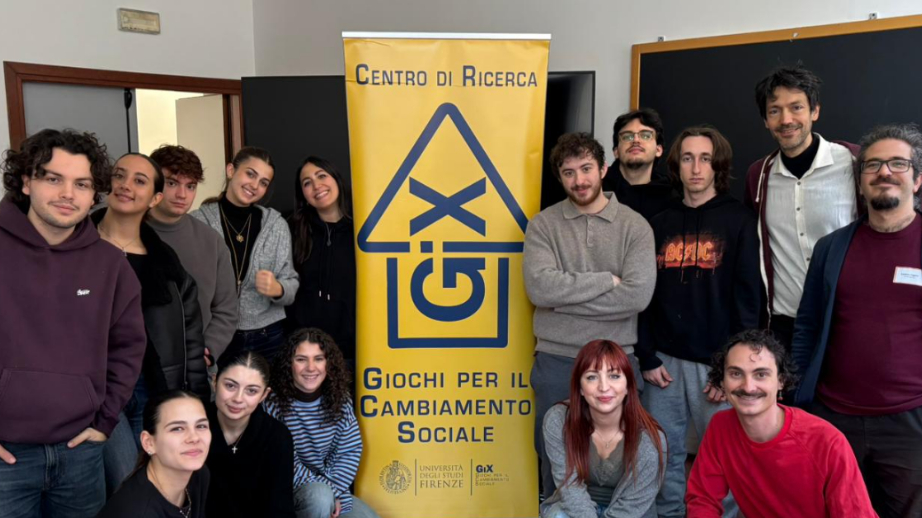
[ FIG_01 // NETWORK IN ACTION ] — Interdisciplinary cohort at the University of Florence (UNIFI).
GEOGRAPHIC & DISCIPLINARY TOPOLOGY5 CONSORTIUM NODES
INSTITUTIONAL PROFILES & RESEARCH ROLESDETAILED DOSSIERS (01 – 05)
[ NODE 01 // PROJECT LEAD // DESIGN PEDAGOGY ]BERLIN, GERMANY
Hochschule für Technik und Wirtschaft Berlin
DE:HIVE Institute // Faculty of Design & Culture
[ INSTITUTIONAL PROFILE & CONTRIBUTION ]
HTW Berlin serves as the lead coordinating institution for EGSL. As Berlin’s largest public university of applied sciences, its DE:HIVE Institute houses one of Europe’s foremost game design programs. DE:HIVE spearheads project management, the conceptual development of the LUNA Framework, and the joint 5-ECTS higher education curriculum.
LEAD WORK PACKAGES & FOCUS:WP1WP4
[ NODE 02 // GAME SCIENCE // MICRO-CREDENTIALS ]LUCCA, ITALY
Scuola IMT Alti Studi Lucca
Game Science Research Centre (GSRC)
[ INSTITUTIONAL PROFILE & CONTRIBUTION ]
The IMT School for Advanced Studies Lucca hosts the renowned Game Science Research Centre (GSRC), an inter-university hub dedicated to game science, experimental economics, and complex systems. IMT Lucca leads Work Package 2, focusing on the rigorous academic foundation of game science methods, blended learning courses, and micro-credentials.
LEAD WORK PACKAGES & FOCUS:WP2
[ NODE 03 // GIX // SOCIAL CHANGE & ASSEMBLY ]FLORENCE, ITALY
Università degli Studi di Firenze
Centro di Ricerca Interdipartimentale GiX (Games for Social Change)
[ INSTITUTIONAL PROFILE & CONTRIBUTION ]
The University of Florence brings pioneering expertise in behavioral game theory and prosocial impact through its GiX Centre. UniFi leads Work Package 3 (Dissemination & Societal Impact), organizing annual consortium meetings, high-visibility public festival stages at Play Bologna, and field studies on games promoting civic engagement.
LEAD WORK PACKAGES & FOCUS:WP3
[ NODE 04 // BUG LAB // ONLINE PLATFORM & JAMS ]ISTANBUL, TURKEY
Bahçeşehir Üniversitesi
BUG Game Lab // Faculty of Communication
[ INSTITUTIONAL PROFILE & CONTRIBUTION ]
Bahçeşehir University in Istanbul, through its pioneering BUG Game Lab, is a vibrant bridge between higher education and the booming Turkish games industry. BAU leads project-wide digital communications, hosting international hybrid game jams (e.g. “Games in a Society in Flux”), and integrating LUNA into undergraduate curricula across continents.
LEAD WORK PACKAGES & FOCUS:WP2WP3
[ NODE 05 // LIC // QUALITY & SUSTAINABILITY ]VILNIUS, LITHUANIA
Viešoji Įstaiga Lietuvos Inovacijų Centras
Lithuanian Innovation Centre (LIC)
[ INSTITUTIONAL PROFILE & CONTRIBUTION ]
The Lithuanian Innovation Centre (LIC) is a leading public innovation agency supporting European R&D cooperation and technology transfer. In EGSL, LIC provides specialized independent quality assurance, structured impact monitoring, risk mitigation protocols, and long-term exploitation strategies beyond the 2027 project lifecycle.
LEAD WORK PACKAGES & FOCUS:WP1
[ WP2 // ASSOCIATED UNIVERSITIES & PRACTITIONERS ]
Collaborate with the European Game Science Lab
Beyond the five core grant beneficiaries, our Teaching Network engages guest universities and research institutes — from Luleå University of Technology in Arctic Sweden to the Max Planck Institute for Human Development and indie studios like Toukana Interactive.