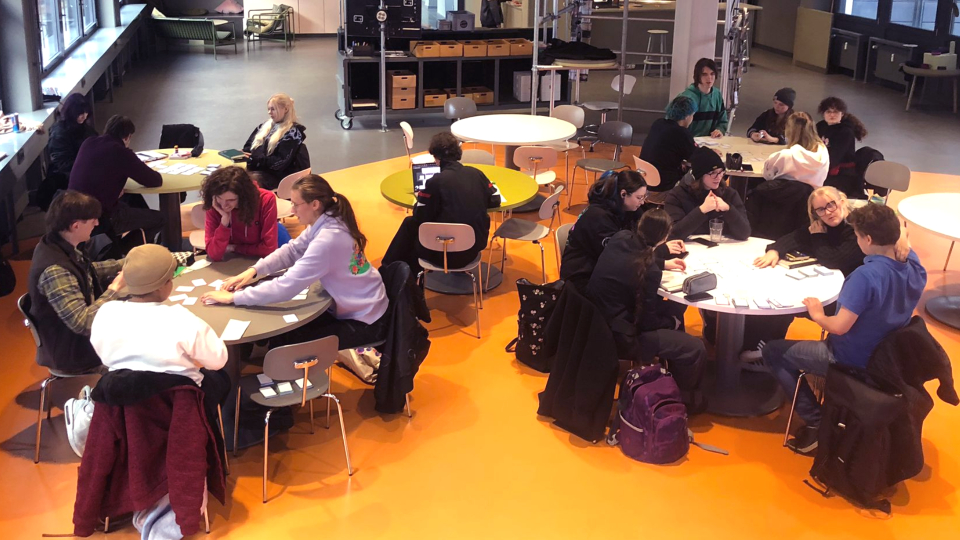
The rooms were buzzing once again, cards shuffled, pens ready, and minds fully engaged: the latest LUNA-Framework playtest with DE:HIVE students has come to an end. Over two intensive days, participants stepped into the framework to explore how social frames, mechanics, and decision-making intertwine in playful design practice.
Social Frames vs. Ingrained Design Routines
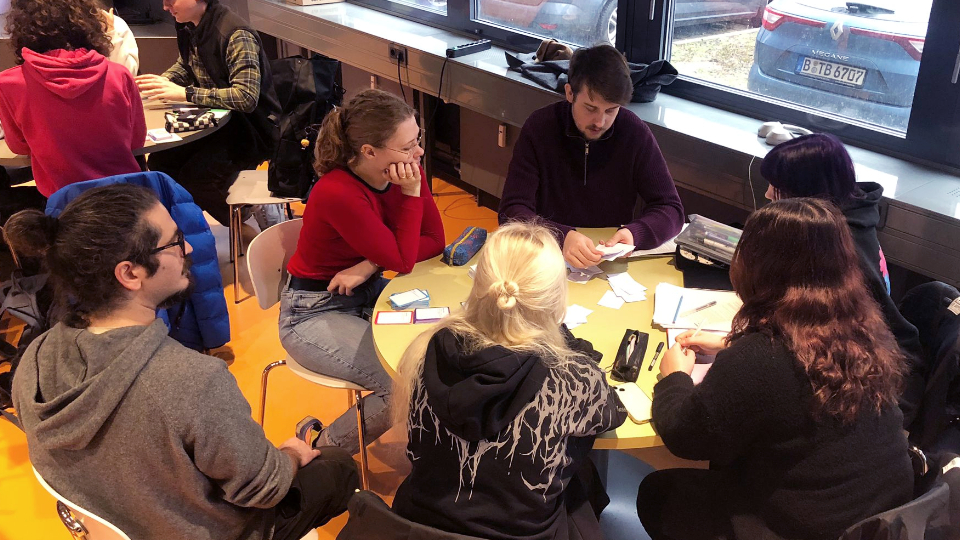
What quickly became apparent was how differently teams approached the process. While the LUNA Framework encourages starting from Social Frames, some groups instinctively gravitated toward mechanics first – a reflection of prior learning habits and established design routines. This tension sparked meaningful discussions and revealed how deeply ingrained design pathways can shape creative thinking.
“While the LUNA Framework encourages starting from Social Frames, some groups instinctively gravitated toward mechanics first — revealing how deeply ingrained design pathways shape creative thinking.”
As the sessions unfolded, unique group dynamics emerged. Teams varied widely in their speed and confidence when making decisions. Many employed a process of elimination, carefully narrowing down options before opening the floor for discussion. When consensus proved difficult, some groups even turned to good old-fashioned pen voting – a surprisingly effective democratic tool in moments of creative deadlock.
Team Size & Iterative Momentum
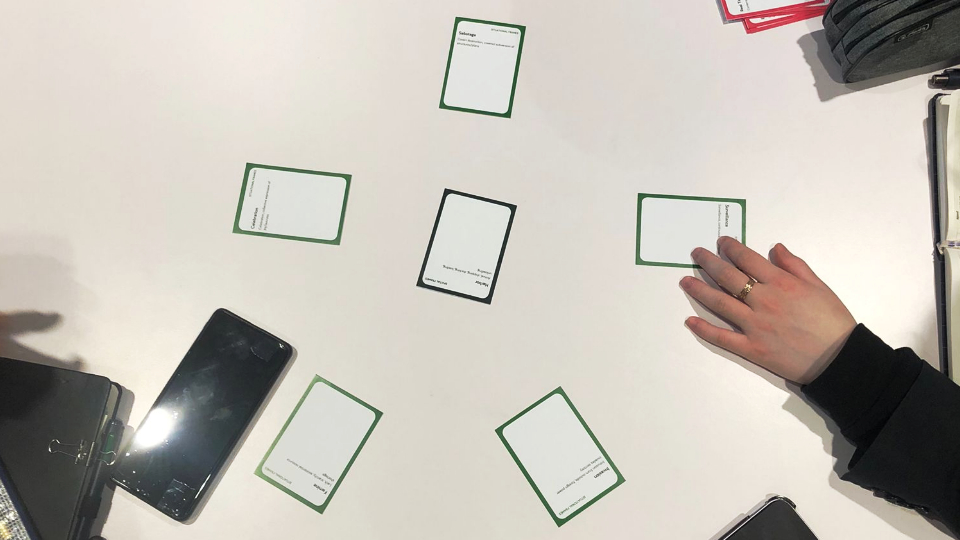
Day two brought an important insight: smaller teams thrived. Groups of two and three participants proved especially agile, navigating the framework with greater focus and efficiency. To keep momentum high, some teams introduced self-imposed timers, transforming decision-making into a playful challenge of its own.
Beyond testing mechanics, the playtest offered valuable insights into how participants perceive Social Frames – often as agent-based setups such as rivalries or partnerships. This feedback now feeds directly into the ongoing development of the LUNA-Framework, helping refine its structure and accessibility.